


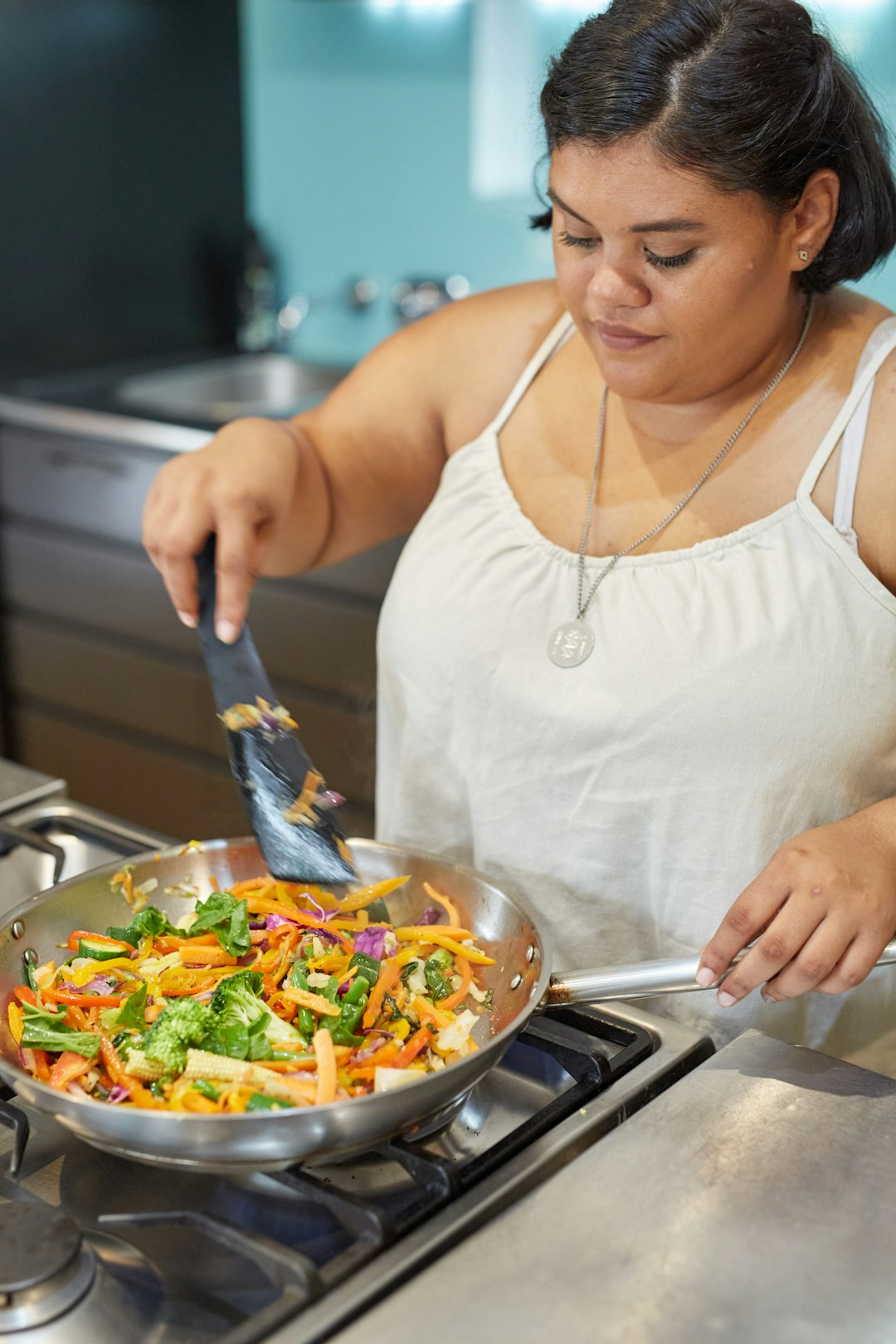
Low calorie recipes for everyday cooking serve as a cornerstone for maintaining long-term health and weight management without sacrificing the satisfaction of a well-prepared meal. When the objective is to reduce energy density while maximizing nutrient intake, the focus shifts toward whole foods, fiber-rich vegetables, and lean protein sources. By restructuring the plate to prioritize volume through high-water-content ingredients, it becomes possible to consume larger portions while naturally lowering total caloric intake. This approach avoids the pitfalls of restrictive dieting, which often leads to burnout, and instead fosters a sustainable relationship with food through informed preparation techniques.
The Foundation of Nutrient-Dense Kitchen Strategies
Effective meal preparation begins with understanding how to build a meal that provides satiety. The primary strategy involves filling half the plate with non-starchy vegetables, which provide essential vitamins, minerals, and dietary fiber for minimal calories. Techniques such as steaming, roasting with minimal oil, or quick sautéing with vegetable broth help preserve the integrity of these ingredients. Integrating lean proteins—such as skinless poultry, white fish, legumes, or tofu—ensures that muscle mass is supported while keeping the caloric load manageable. Replacing refined carbohydrates with complex options like quinoa, farro, or sweet potatoes provides a steady release of energy, preventing the blood sugar spikes often associated with processed snacks.
Smart Ingredient Swaps for Lower Energy Density
Transitioning to a lighter kitchen routine requires identifying common high-calorie culprits and substituting them with functional alternatives. Many traditional recipes rely heavily on heavy creams, butter, and refined sugars, all of which contribute significantly to daily caloric totals without providing significant nutritional value.
- Substitute heavy cream in soups or sauces with pureed cauliflower or silken tofu for a creamy texture with a fraction of the calories.
- Replace butter in baking or sautéing with unsweetened applesauce or a small amount of avocado oil to reduce saturated fat content.
- Use Greek yogurt as a base for dressings or dips instead of mayonnaise or sour cream to increase protein density.
- Opt for zucchini noodles or spaghetti squash to replace traditional pasta, significantly reducing carbohydrate intake.
- Utilize fresh herbs, citrus zest, and spices to enhance flavor profiles, reducing the reliance on high-sodium sauces and dressings.
Comparing Traditional vs. Low Calorie Cooking Methods
Understanding the impact of cooking techniques is vital for adjusting daily caloric intake. The following table highlights how simple adjustments in preparation can alter the nutritional profile of standard meals.
| Ingredient/Dish | Traditional Method | Low Calorie Alternative | Caloric Impact |
|---|---|---|---|
| Chicken Breast | Fried in butter | Baked with lemon and herbs | Significant reduction |
| Pasta Dish | Cream-based sauce | Tomato and basil-based sauce | Moderate reduction |
| Mashed Potatoes | Added milk and butter | Mashed with broth and garlic | Substantial reduction |
| Salad Dressing | Oil-based vinaigrette | Vinegar, mustard, and herb mix | High reduction |
| Stir-fry | Heavy oil sauté | Water or broth-based sauté | Moderate reduction |
Flavor Enhancement Without Caloric Additions
A common misconception regarding healthy eating is that food must be bland to be low in calories. On the contrary, the most effective low calorie recipes for everyday cooking utilize bold, aromatic ingredients to satisfy the palate. Fresh aromatics such as garlic, ginger, shallots, and onions provide a deep flavor base that requires very little fat to develop. Incorporating vinegar, lemon juice, or lime juice adds acidity, which brightens the overall profile of a dish and mimics the effect of salt, allowing for a reduction in sodium intake. Furthermore, dry-toasting spices in a pan before adding liquid ingredients releases essential oils, creating complex layers of flavor that make simple meals feel sophisticated.
Structuring Weekly Meal Plans for Success
Consistency in healthy eating is often a result of thoughtful planning. Developing a routine for low calorie recipes for everyday cooking involves batch-preparing staple ingredients that can be mixed and matched throughout the week. For example, roasting a large tray of seasonal vegetables and grilling several portions of lean protein allows for the rapid assembly of meals during busy evenings. Keeping a pantry stocked with canned beans, lentils, whole grains, and low-sodium vegetable broth ensures that a healthy meal is always accessible. This proactive approach minimizes the temptation to rely on convenience foods, which are frequently processed and calorically dense.
Addressing Common Challenges in Low Calorie Meal Prep
One frequent hurdle in maintaining a low calorie diet is managing hunger between meals. To mitigate this, focus on snacks that combine fiber and protein, such as raw vegetables with hummus or a small portion of nuts. Another challenge is dining out or attending social gatherings; however, by mastering basic cooking techniques at home, it becomes easier to replicate favorite restaurant flavors in a healthier format. Understanding portion control remains paramount, even when the ingredients themselves are low in calories. Using smaller plates and practicing mindful eating allows the body to register fullness signals more accurately, preventing unintentional overconsumption.
Frequently Asked Questions
How can I make low calorie meals feel more filling?
Prioritize high-volume, low-calorie foods like leafy greens, cucumbers, and cruciferous vegetables. Combining these with a source of lean protein and healthy fats helps sustain satiety for longer periods.
Is it necessary to weigh all ingredients?
While not strictly required, tracking ingredients occasionally can help develop a better understanding of portion sizes and caloric density, making it easier to estimate intake over time without constant measurement.
How do I handle cravings while eating low calorie meals?
Focus on incorporating a variety of flavors and textures. Often, cravings arise from a lack of satisfaction or variety. Using spices, herbs, and different cooking methods can help keep meals interesting and satisfying.
Can I still enjoy desserts on a low calorie diet?
Yes, focusing on fruit-based desserts or small portions of dark chocolate can satisfy sweet cravings. Utilizing natural sweeteners like stevia or monk fruit in home-baked goods also reduces calorie intake significantly.
What is the best way to start transitioning to a lower calorie routine?
Begin by making one small change at a time, such as swapping one high-calorie ingredient for a lighter alternative or increasing vegetable intake at dinner. Gradual changes are more sustainable than drastic, sudden shifts.
Conclusion
Embracing low calorie recipes for everyday cooking is an empowering way to take control of nutritional intake while enjoying the process of preparing meals. By focusing on whole, nutrient-dense ingredients, utilizing smart cooking techniques to enhance flavor, and planning ahead to ensure consistency, it is entirely possible to create meals that are both satisfying and supportive of long-term health goals. The shift toward lighter, more intentional cooking does not require the removal of flavor or enjoyment; rather, it highlights the versatility of fresh, wholesome food. As these habits become integrated into daily life, the effort required to maintain a healthy lifestyle diminishes, replaced by a reliable routine that promotes wellness and vitality. Through consistent application of these strategies, anyone can master the art of healthy, everyday cooking.
Featured Image Credit: Generated/Sourced via Unsplash.
Disclaimer: This article is AI-generated for informational and educational purposes. While we strive to provide high-quality context and authority, the content should not be used as professional advice. The author/website assumes no liability for external links or factual omissions.