

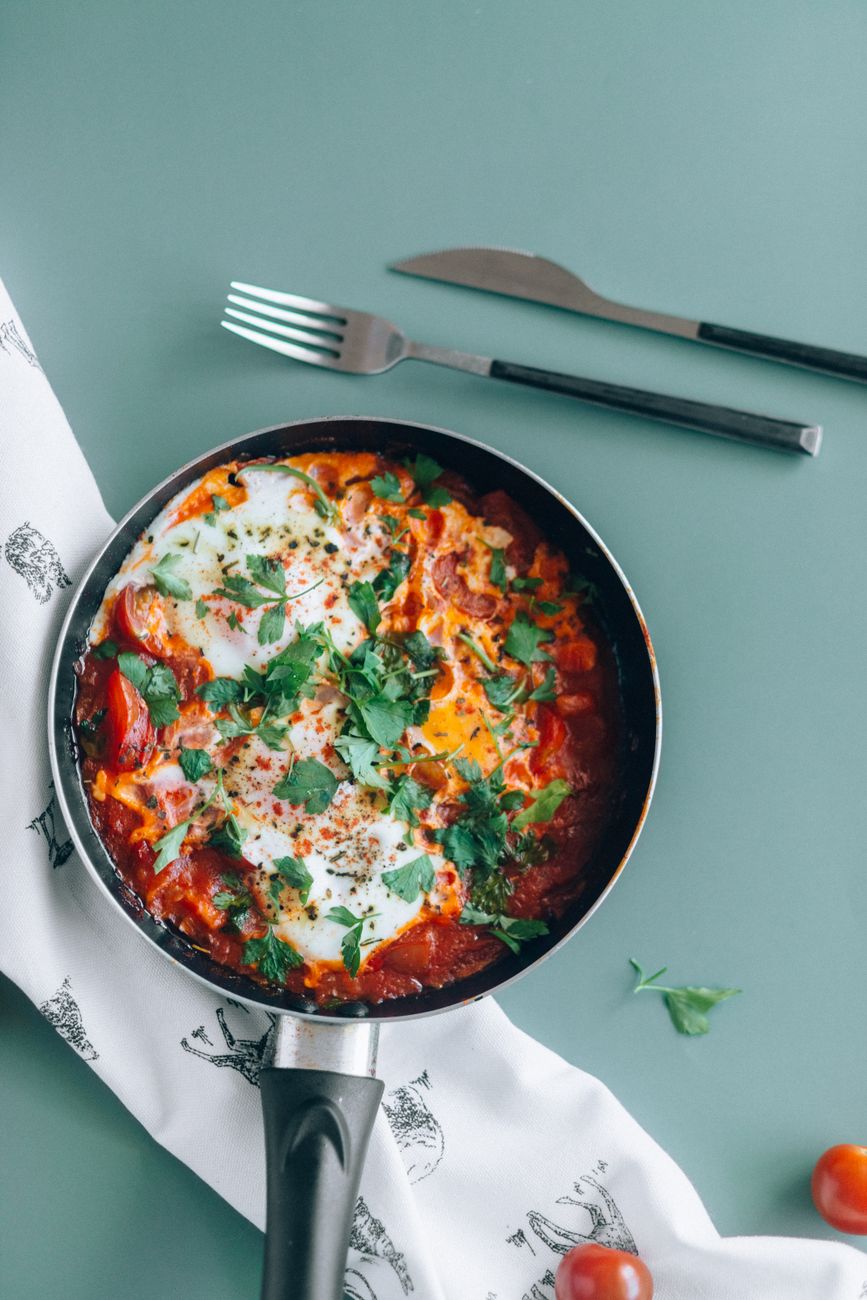
The challenge of maintaining a nutritious diet often conflicts with the realities of a demanding work schedule. Preparing healthy dinner recipes for busy weeknights requires a shift in perspective, moving away from complex culinary projects toward streamlined, high-efficiency cooking techniques. When time is limited, the focus shifts to minimizing preparation steps while maximizing the nutritional profile of each plate. By utilizing versatile ingredients and efficient cooking methods, it is entirely possible to create wholesome meals that support long-term wellness goals without requiring excessive time in the kitchen.
Strategic Planning for Nutritional Efficiency
Success in the kitchen during a hectic week starts with a systematic approach to ingredient management. Rather than viewing dinner as a daily hurdle, viewing it as a component of a weekly inventory allows for better resource allocation. Stocking a pantry with shelf-stable staples like canned legumes, whole grains, and low-sodium broths provides a foundation for rapid meal assembly. Integrating fresh produce that has a longer shelf life, such as cruciferous vegetables, carrots, and onions, ensures that essential nutrients are always available even when grocery shopping is infrequent.
Focusing on high-protein, quick-cooking sources such as shrimp, thin-cut poultry, or plant-based proteins like tofu significantly reduces active cooking time. Preparing components in advance, a process often referred to as batch prepping, allows for the assembly of meals rather than the creation of them from scratch each evening. This methodology ensures that high-quality, home-cooked food remains a consistent part of the lifestyle despite external pressures.
Essential Techniques for Rapid Preparation
Efficiency in cooking is largely a matter of technique. Utilizing high-heat methods such as stir-frying or roasting allows for rapid nutrient retention and flavor development. A sheet-pan dinner is a prime example of this efficiency; by arranging proteins and vegetables on a single surface, the need for multiple pans and constant monitoring is eliminated. This method is particularly effective for busy weeknights, as it allows for hands-off cooking while the oven does the work.
Another effective technique involves the use of one-pot meals, which simplify both the cooking process and the subsequent cleanup. Utilizing a slow cooker or a pressure cooker can transform tough cuts of meat or dried beans into tender, nutrient-dense meals with minimal intervention. These appliances allow for the layering of ingredients that cook throughout the day, ensuring that dinner is ready immediately upon return from professional commitments.
Optimized Recipe Categories
When selecting recipes, prioritize those that require fewer than ten ingredients and under thirty minutes of active time. Below is a comparison of various meal preparation strategies to help determine the best fit for specific household needs.
| Strategy | Time Required | Primary Benefit | Best For |
|---|---|---|---|
| Sheet-Pan Roasting | 25-35 Minutes | Minimal Cleanup | Roasted proteins & veggies |
| Stir-Frying | 15-20 Minutes | Nutrient Retention | Fast-cooking greens & tofu |
| Slow Cooking | 5-8 Hours | Hands-off preparation | Stews, soups, & legumes |
| Component Assembly | 10-15 Minutes | Maximum speed | Salads & grain bowls |
Incorporating Nutrient-Dense Ingredients
A balanced dinner should ideally contain a source of lean protein, fiber-rich complex carbohydrates, and a significant portion of vegetables. Including healthy fats, such as olive oil, avocado, or nuts, enhances satiety and improves the absorption of fat-soluble vitamins. For instance, a stir-fry featuring broccoli, bell peppers, and snap peas provides a crunch and a wide array of vitamins, while the addition of edamame or chicken breast rounds out the protein requirements.
Whole grains like quinoa or farro are excellent choices because they can be cooked in large batches at the beginning of the week and stored in the refrigerator. These grains serve as a neutral, nutrient-dense base for various toppings, allowing for rapid customization based on available ingredients. By maintaining a consistent rotation of these foundational elements, the cognitive load of deciding what to cook each night is substantially reduced.
Addressing Common Challenges in Weeknight Cooking
One of the most frequent barriers to cooking at home is the perceived lack of time for preparation. However, many healthy dinner recipes for busy weeknights can be executed in less time than it takes to order or pick up takeout. The key lies in minimizing transitions; keeping the workspace organized and having all necessary tools within reach prevents unnecessary delays. Furthermore, embracing simplicity—such as seasoning with high-quality herbs and spices rather than complex sauces—can elevate the flavor profile of simple ingredients without adding significant time or calories.
Another challenge is the fatigue that follows a long day. To combat this, keep a list of “emergency” healthy meals that require virtually no planning. Examples include canned black bean tacos with avocado, or a quick omelet filled with pre-washed spinach and mushrooms. These meals provide the necessary fuel without requiring the mental energy of a complex recipe.
Frequently Asked Questions
How can I keep my vegetables fresh for longer periods?
Proper storage is essential. Leafy greens should be wrapped in paper towels to absorb excess moisture, while root vegetables prefer cool, dark, and dry environments. Avoiding washing produce until immediately before use also prevents premature decay.
Are frozen vegetables as nutritious as fresh ones?
Frozen vegetables are often harvested at peak ripeness and flash-frozen, which preserves their nutritional content. In many cases, they are just as healthy as fresh produce and provide the added benefit of being pre-chopped, saving significant preparation time.
How can I make healthy meals more flavorful without adding excessive salt?
Utilize acid, such as lemon juice or vinegar, to brighten flavors. Fresh herbs, dried spices, garlic, and ginger add depth and complexity to dishes without the need for high sodium levels.
Is it necessary to have a large kitchen to cook healthy meals?
Minimalism is actually an advantage. A sharp knife, a sturdy cutting board, and a quality pan or pot are sufficient to prepare a vast array of nutritious meals. Efficiency comes from the process rather than the size of the kitchen.
Conclusion
Successfully navigating the demands of a busy schedule while prioritizing nutrition is a skill that develops with practice. By focusing on efficient cooking techniques, maintaining a well-stocked pantry, and choosing recipes that emphasize nutrient-dense, whole ingredients, healthy dinner recipes for busy weeknights become a sustainable part of a daily routine. The objective is to remove the friction between the desire for health and the reality of a limited timeframe. Through consistent application of these strategies, the process of preparing dinner transforms from a source of stress into a manageable, rewarding, and health-promoting habit.
Featured Image Credit: Generated/Sourced via Unsplash.
Disclaimer: This article is AI-generated for informational and educational purposes. While we strive to provide high-quality context and authority, the content should not be used as professional advice. The author/website assumes no liability for external links or factual omissions.