

Achieving optimal nutritional intake on a plant-based diet requires a strategic approach to macronutrients, particularly when focusing on healthy vegan recipes with high protein. Many individuals transition to plant-based eating with concerns regarding protein sufficiency, yet a well-planned diet centered on whole foods provides all necessary amino acids for muscle maintenance and metabolic health. By prioritizing nutrient-dense ingredients such as legumes, ancient grains, seeds, and soy products, one can easily meet or exceed daily protein requirements. This guide explores the foundational principles of protein-rich vegan cooking, emphasizing the synergy between diverse plant sources to create complete amino acid profiles.
The Science of Plant-Based Protein Quality
Protein quality is determined by the presence of all nine essential amino acids that the human body cannot synthesize independently. While animal products are often considered “complete” proteins, plant sources can achieve the same status through dietary variety. The concept of protein complementarity—the practice of consuming different plant proteins throughout the day—ensures that the body receives a full spectrum of amino acids. For instance, combining legumes, which are high in lysine, with grains, which are rich in methionine, creates a balanced profile. Scientific consensus indicates that as long as total daily caloric and protein needs are met, the body effectively manages amino acid pools for muscle protein synthesis.
Essential Ingredients for High-Protein Vegan Meals
Building a repertoire of healthy vegan recipes with high protein starts with stocking a pantry that supports muscle growth and satiety. Incorporating these staples provides the versatility needed for daily meal preparation:
- Tempeh and Tofu: These soy-based powerhouses are highly versatile and offer a significant protein density per serving.
- Seitan: Often referred to as wheat meat, seitan is one of the most protein-dense vegan options, making it an excellent choice for savory stir-fries and roasts.
- Lentils and Chickpeas: These legumes are not only high in protein but also provide essential dietary fiber and complex carbohydrates.
- Hemp and Chia Seeds: Adding these to smoothies or oatmeal provides healthy fats alongside a concentrated dose of plant-based protein.
- Quinoa: As a rare complete protein source among grains, quinoa serves as an ideal base for salads and bowls.
Comparing Protein Sources in Vegan Cooking
To effectively plan meals, it is helpful to understand the protein-to-calorie ratio of various plant foods. The following table highlights common ingredients used in high-protein vegan diets.
| Ingredient | Protein Content (per 100g) | Primary Benefit |
|---|---|---|
| Seitan | 25g | High density, meat-like texture |
| Tempeh | 19g | Fermented, gut-friendly |
| Lentils (cooked) | 9g | High fiber, versatile |
| Tofu (firm) | 8g | Low calorie, adaptable |
| Hemp Seeds | 31g | Omega-3 fatty acids |
| Quinoa (cooked) | 4g | Complete amino acid profile |
Strategies for Optimizing Nutrient Absorption
Maximizing the nutritional value of healthy vegan recipes with high protein involves understanding how to enhance the bioavailability of nutrients. Phytates and tannins found in some plant foods can sometimes inhibit mineral absorption; however, simple preparation methods mitigate these effects. Soaking legumes, sprouting grains, and fermenting soy products like tempeh significantly improve the digestibility of proteins and the absorption of iron and zinc. Furthermore, pairing iron-rich plant foods—such as lentils or spinach—with vitamin C-rich ingredients like bell peppers or citrus juices facilitates superior iron uptake, supporting overall energy levels and athletic performance.
Practical Meal Planning for Consistent Protein Intake
Consistency is the cornerstone of any successful dietary strategy. Rather than relying on a single large meal, distributing protein intake throughout the day supports sustained muscle protein synthesis. A high-protein breakfast might include a tofu scramble with nutritional yeast and spinach, while lunch could feature a hearty lentil and quinoa salad. Dinner options often center on seitan-based dishes or tempeh stir-fries, which provide a substantial protein anchor for the evening. By preparing components in advance—such as batch-cooking grains or marinating tofu—one ensures that healthy vegan recipes with high protein remain accessible even during busy schedules.
Addressing Common Nutritional Considerations
Transitioning to a high-protein vegan diet naturally involves monitoring specific micronutrients that are sometimes overlooked. Vitamin B12, which is not reliably found in plant foods, must be obtained through fortified foods or supplementation. Similarly, ensuring adequate intake of omega-3 fatty acids through flaxseeds, walnuts, and algae-based supplements rounds out the nutritional profile. By focusing on whole, minimally processed foods, the diet remains naturally rich in antioxidants, vitamins, and minerals that promote long-term health, cardiovascular function, and weight management.
Conclusion
Embracing a diet rich in healthy vegan recipes with high protein is a sustainable and effective way to support physical vitality and long-term health. By understanding the fundamentals of amino acid profiles, utilizing nutrient-dense pantry staples, and employing preparation techniques that enhance bioavailability, it is entirely possible to meet rigorous nutritional standards. The diversity of plant-based ingredients offers endless culinary possibilities, moving beyond simple meal replacements to create flavorful, satisfying dishes that nourish the body. As one continues to explore these recipes, the focus remains on the balance of whole foods, the consistency of intake, and the deliberate inclusion of varied plant sources to ensure all physiological needs are met. Starting with small, manageable adjustments to daily meal plans allows for a seamless transition into a lifestyle that benefits both personal well-being and broader health objectives.
Frequently Asked Questions
Are plant-based proteins as effective as animal proteins for muscle growth?
Research indicates that when total protein and caloric intake are sufficient, plant-based proteins are highly effective at supporting muscle protein synthesis and recovery.
How can I ensure I am getting enough protein without relying on processed meat alternatives?
Focusing on whole foods such as legumes, soy products, nuts, seeds, and ancient grains provides a clean, nutrient-dense way to meet protein goals without the need for highly processed additives.
Is it necessary to combine proteins in every single meal?
While it is not strictly necessary to combine proteins in every meal, consuming a variety of plant protein sources throughout the day ensures the body receives all essential amino acids.
Can high-protein vegan diets be affordable?
Yes, staples like dry lentils, chickpeas, brown rice, and tofu are among the most budget-friendly food items available, making this way of eating highly accessible.
What is the best way to start incorporating more protein into a vegan diet?
Begin by swapping refined carbohydrates for high-protein grains like quinoa and adding a serving of legumes or seeds to existing meals to gradually increase daily protein totals.
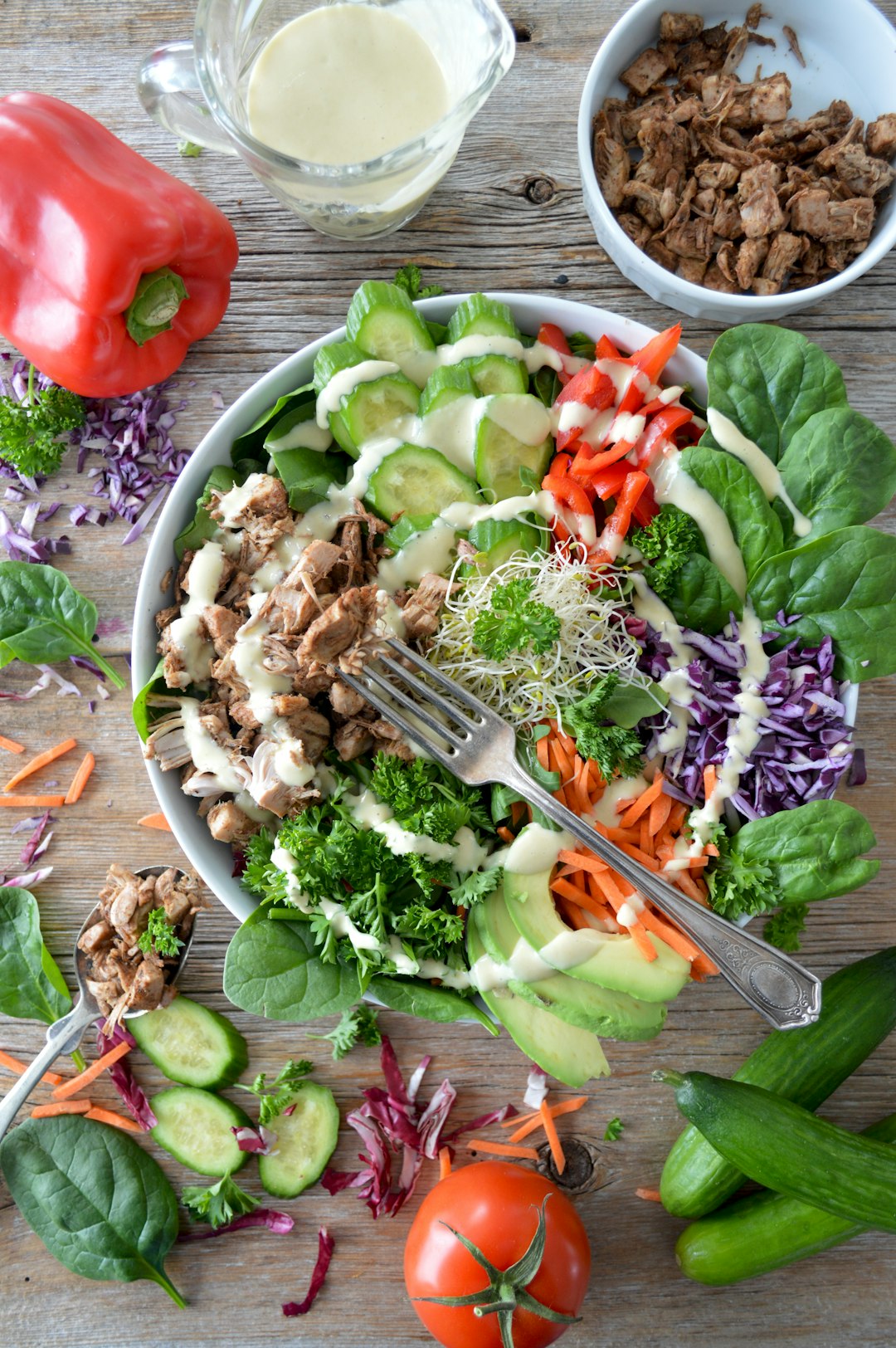
Featured Image Credit: Generated/Sourced via Unsplash.
Disclaimer: This article is AI-generated for informational and educational purposes. While we strive to provide high-quality context and authority, the content should not be used as professional advice. The author/website assumes no liability for external links or factual omissions.
1 Comment
Genuinely helpful. I came in sceptical and left with a much better understanding.