

The Ultimate Beginner Meal Planning Guide for Healthy Eating
Achieving long-term health goals often requires moving beyond reactive food choices toward a structured system. Implementing a beginner meal planning guide for healthy eating serves as the foundation for consistent nutritional intake, reduced food waste, and significant time savings. By organizing weekly menus in advance, individuals gain control over ingredient quality and portion sizes, effectively eliminating the stress of last-minute decision-making. This strategic approach transforms grocery shopping from a chaotic chore into a purposeful exercise in wellness management.
Defining the Core Principles of Effective Meal Planning
The primary objective of meal planning is to align dietary habits with specific health requirements. A successful plan accounts for macronutrient balance—incorporating adequate proteins, complex carbohydrates, and healthy fats—while ensuring a wide variety of micronutrients. Planning should begin by assessing the week ahead, noting days where time is limited, and scheduling meals that match those constraints.
- Inventory Assessment: Check the pantry and refrigerator before purchasing new items to prevent overbuying.
- Theme Nights: Assign specific categories to days, such as Meatless Mondays or grain-bowl Wednesdays, to simplify the decision-making process.
- Batch Preparation: Focus on prepping versatile ingredients like roasted vegetables, cooked grains, or protein sources that can be repurposed across multiple meals.
By treating meal planning as a logistical task rather than a culinary burden, the likelihood of adhering to healthy patterns increases significantly.
Nutritional Strategy: Balancing Macros and Micros
A robust meal plan prioritizes nutrient density. Every meal should ideally feature a source of lean protein, such as legumes, fish, or poultry, to support muscle maintenance and satiety. Fiber-rich vegetables provide the necessary volume and micronutrients to maintain stable energy levels throughout the day. Integrating whole grains like quinoa or brown rice ensures a steady release of glucose into the bloodstream, preventing the energy crashes associated with processed, high-sugar alternatives.
Hydration and snacks also play a vital role in this framework. Planning for healthy snacks—such as nuts, seeds, or whole fruits—prevents reliance on convenience foods when hunger strikes between meals. Consistency in these selections fosters metabolic stability and aligns with broader health objectives.
Comparative Overview: Meal Planning vs. Ad-Hoc Dining
Understanding the shift from reactive eating to proactive planning is essential for beginners. The following table highlights the operational differences between these two approaches.
Comparison of Nutritional Approaches
| Feature | Ad-Hoc Dining | Structured Meal Planning |
|---|---|---|
| Decision Frequency | Daily/Per-meal | Weekly/Batch |
| Financial Impact | Higher (Impulse buys) | Lower (Bulk purchasing) |
| Nutritional Quality | Variable/Unpredictable | Consistent/Controlled |
| Time Investment | Daily prep/Shopping | Single weekly session |
| Waste Management | Frequent spoilage | Minimized through usage |
Executing the Grocery Strategy
An effective plan is only as good as its execution at the store. A well-organized shopping list, categorized by store section, prevents wandering and impulse purchases. When shopping, prioritize the perimeter of the grocery store, where fresh produce, proteins, and dairy are typically located. Minimizing time in the center aisles reduces exposure to ultra-processed items, which are often nutrient-poor.
Bulk buying staples like dried beans, oats, and frozen vegetables can significantly lower costs while ensuring that essential components for healthy meals are always available. This systematic approach to shopping ensures that the kitchen remains stocked with ingredients that facilitate, rather than hinder, healthy dietary choices.
Storage and Preservation Techniques
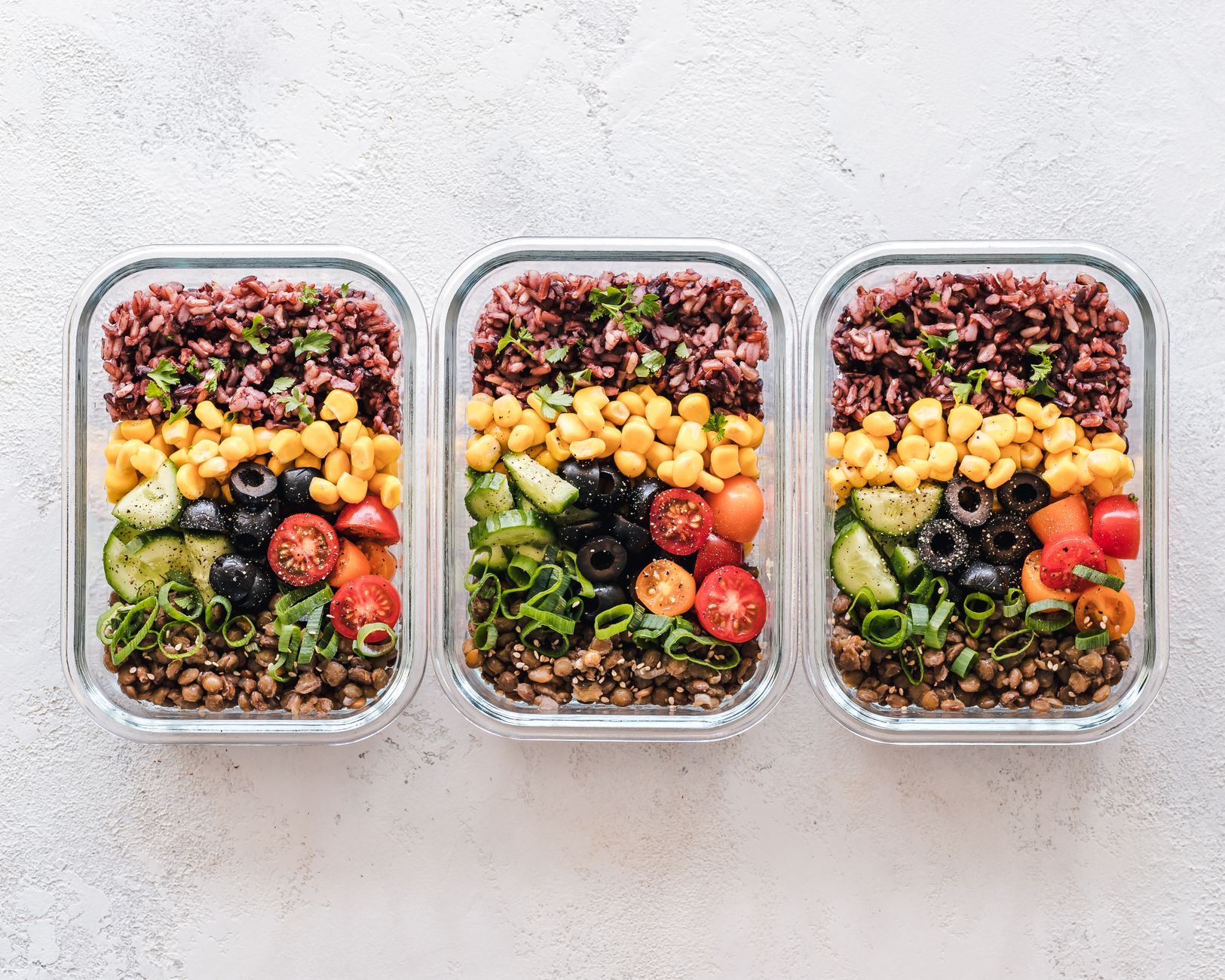
Proper food storage is a critical component of a beginner meal planning guide for healthy eating. Utilizing clear, airtight containers allows for easy visibility of prepared ingredients, encouraging their use before spoilage occurs. Labeling containers with the date of preparation assists in tracking freshness.
- Refrigeration: Store cooked proteins and grains in the main compartment, avoiding the door where temperatures fluctuate.
- Freezing: Utilize the freezer for long-term storage of soups, stews, and pre-portioned meals.
- Portion Control: Pre-portioning meals into individual containers streamlines the transition from the refrigerator to consumption, especially for individuals with busy work schedules.
Maintaining an organized refrigerator and pantry reduces the cognitive load associated with cooking, making it easier to stick to a healthy plan during hectic periods.
Addressing Common Challenges
Transitioning to a structured eating plan often encounters obstacles. One common issue is the “boredom factor” when eating leftovers. To mitigate this, introduce variety through different seasonings, sauces, or preparation methods. For example, a batch of roasted chicken can be seasoned with Mediterranean herbs one day and incorporated into a spicy stir-fry the next.
Another challenge is the time required for initial setup. Starting small—perhaps planning just three dinners per week—allows for a gradual adjustment period. As efficiency improves, the scope of the plan can expand to include breakfasts, lunches, and snacks. Flexibility remains key; if a plan must be adjusted due to unforeseen circumstances, the goal is to revert to the structured system as soon as possible rather than abandoning the practice entirely.
Frequently Asked Questions
How long does a typical meal planning session take?
For beginners, a session may take 60 to 90 minutes, including menu selection, inventory checking, and list creation. As experience grows, this time typically reduces to under 30 minutes.
Is it necessary to cook every meal from scratch?
Not necessarily. Utilizing pre-washed greens, canned beans, or frozen vegetables are excellent ways to save time while still maintaining a healthy, nutrient-dense diet.
How do I handle social events or dining out?
A beginner meal planning guide for healthy eating should remain flexible. Integrate dining out into the plan by accounting for those meals and opting for balanced choices when away from home.
Can meal planning accommodate specific dietary restrictions?
Yes, planning is arguably the most effective tool for managing dietary restrictions, as it ensures all ingredients are vetted before purchase and preparation.
Sustaining the Habit
The long-term success of a beginner meal planning guide for healthy eating relies on habit formation rather than perfection. Periodically reviewing the success of the plan—evaluating which meals were enjoyed and which ingredients went to waste—allows for continuous optimization. By focusing on sustainable practices and realistic goals, individuals can maintain high nutritional standards without feeling restricted. As the process becomes second nature, the benefits extend beyond physical health, fostering a sense of organization and intentionality in daily life. Consistency remains the most powerful tool for achieving and maintaining wellness through structured nutrition.
Featured Image Credit: Generated/Sourced via Unsplash.
Disclaimer: This article is AI-generated for informational and educational purposes. While we strive to provide high-quality context and authority, the content should not be used as professional advice. The author/website assumes no liability for external links or factual omissions.