

The human digestive system serves as the foundation for physical and mental well-being. Housing trillions of bacteria, fungi, and viruses, the gut microbiome functions as a complex ecosystem that dictates everything from immune response to metabolic efficiency. When this internal environment remains balanced, the body operates with optimal energy and resilience. Achieving this balance relies heavily on dietary choices, as specific nutrients act as fuel for beneficial bacteria. Prioritizing the best foods for improving gut health naturally involves a strategic shift toward whole, plant-based, and fermented ingredients that support microbial diversity.
The Role of Prebiotic Fiber in Microbial Diversity
Prebiotic fibers are non-digestible carbohydrates that serve as the primary food source for beneficial gut bacteria. Unlike simple sugars that are absorbed quickly in the upper digestive tract, these fibers reach the colon intact, where they undergo fermentation by the microbiome. This process produces short-chain fatty acids like butyrate, which strengthen the intestinal lining and reduce inflammation.
High-fiber foods are essential for maintaining this ecosystem. Legumes, such as lentils, chickpeas, and black beans, provide a dense concentration of galacto-oligosaccharides, which stimulate the growth of Bifidobacteria. Similarly, whole grains like oats, barley, and quinoa offer beta-glucans, a type of soluble fiber that regulates blood sugar while feeding healthy flora. Including a variety of these plant-based sources ensures that different strains of bacteria receive the specific nutrients required for survival.
Fermented Foods: Direct Inoculation for the Gut
While prebiotics feed existing bacteria, fermented foods provide a direct infusion of live, beneficial microbes. Through the process of lacto-fermentation, natural sugars and starches in vegetables are converted into lactic acid, creating an environment that preserves nutrients and fosters probiotic growth. Regular consumption of these foods helps replenish the microbiome, especially following periods of stress or medication use.
Key fermented staples include:
- Sauerkraut: Made from fermented cabbage, it is rich in vitamins C and K, as well as diverse Lactobacillus strains.
- Kimchi: A spicy Korean staple that combines cabbage with garlic, ginger, and chili, offering a unique profile of beneficial bacteria.
- Kefir: A fermented milk drink that contains a broader spectrum of probiotics than standard yogurt.
- Miso and Tempeh: These soy-based products provide both protein and enzymes that assist in digestion.
Integrating these foods into daily meals requires consistency. A small serving of fermented vegetables alongside a dinner plate acts as a potent tool for maintaining microbial equilibrium.
Polyphenol-Rich Foods and the Gut-Brain Connection
Polyphenols are plant compounds that act as antioxidants, but their role in the digestive system extends beyond simple cellular protection. Many polyphenols are not fully absorbed in the small intestine, allowing them to reach the colon where they modulate the composition of the microbiome. Foods rich in these compounds essentially function as selective fertilizers, promoting the growth of “good” bacteria while inhibiting the proliferation of pathogenic strains.
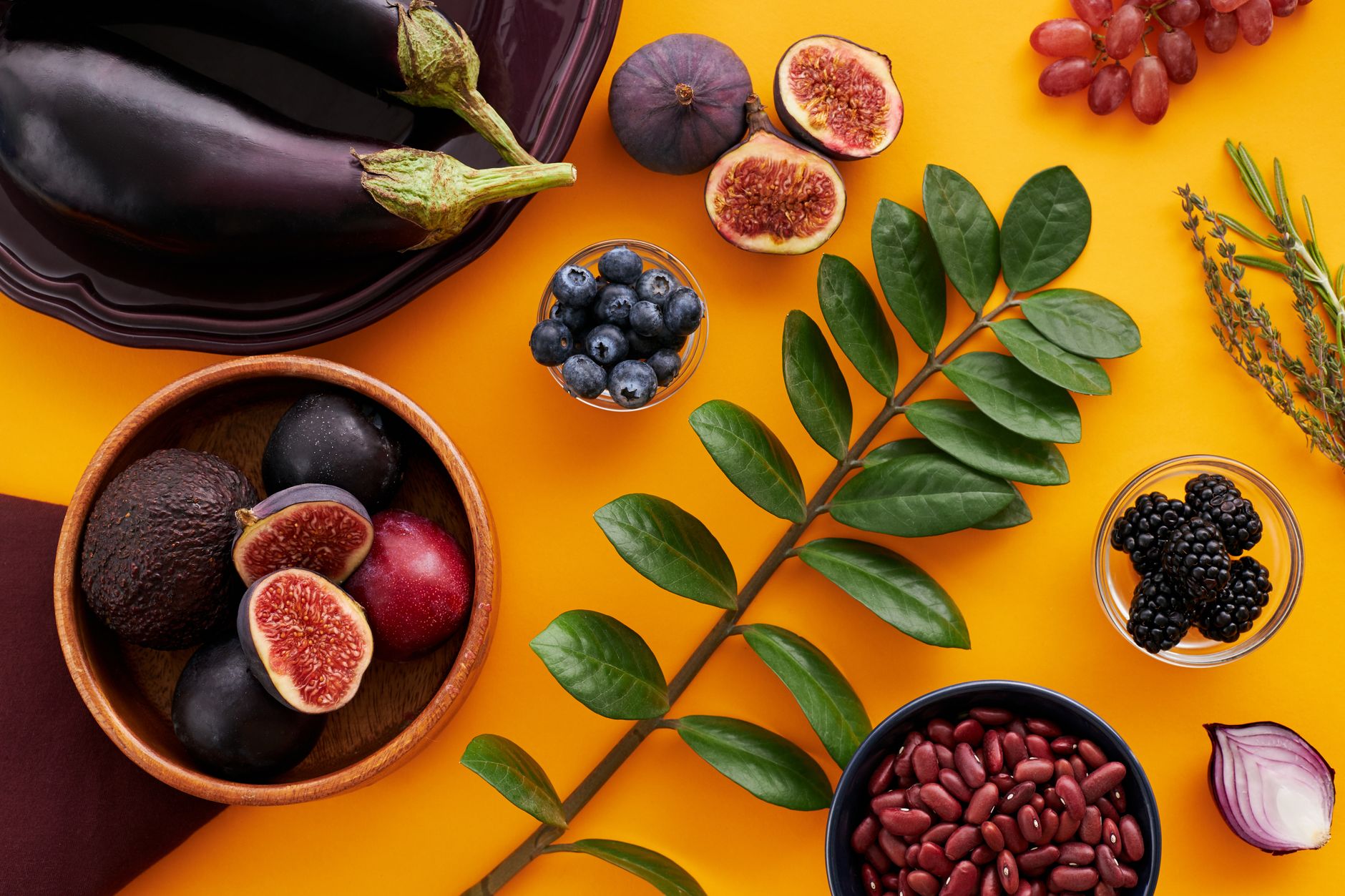
Berries, such as blueberries and raspberries, are among the most potent sources of anthocyanins. Dark chocolate with high cocoa content, green tea, and extra virgin olive oil also provide significant polyphenol concentrations. Research indicates that these compounds improve the integrity of the intestinal barrier, which is essential for preventing systemic inflammation and supporting the gut-brain axis, the communication network linking the enteric nervous system to the central nervous system.
Comparison of Gut-Supporting Food Groups
| Food Category | Primary Mechanism | Key Examples |
|---|---|---|
| Prebiotic Fiber | Feeds beneficial bacteria | Garlic, onions, asparagus, oats |
| Fermented Foods | Introduces live probiotics | Kefir, kimchi, sauerkraut, miso |
| Polyphenols | Modulates bacterial growth | Blueberries, green tea, cocoa |
| Healthy Fats | Reduces gut inflammation | Olive oil, flaxseeds, walnuts |
Strategic Hydration and Anti-Inflammatory Fats
Hydration is a frequently overlooked component of digestive health. Water is necessary for the breakdown of food and the absorption of nutrients, but it also helps maintain the mucosal lining of the intestines. Without adequate water intake, fiber cannot effectively move through the digestive tract, potentially leading to discomfort or constipation.
Beyond water, healthy fats play a critical role in calming the gut. Omega-3 fatty acids, found in flaxseeds, chia seeds, and walnuts, possess anti-inflammatory properties that protect the gut lining. These fats help maintain the balance of the microbiome by reducing the environment that allows inflammatory bacteria to thrive. Incorporating a tablespoon of ground flaxseeds into a morning meal is an efficient way to combine fiber and essential fats to support long-term digestive function.
Addressing Common Questions About Gut Health
How quickly can dietary changes impact the gut microbiome?
Research indicates that the microbiome can respond to dietary shifts in as little as 24 to 48 hours. While significant long-term changes in bacterial composition take weeks, the metabolic output of the gut, such as the production of short-chain fatty acids, shifts rapidly.
Is it necessary to take probiotic supplements?
For most individuals, a diverse diet rich in whole foods provides superior outcomes compared to supplements. Supplements often contain a limited number of strains, whereas fermented foods offer a complex, food-matrix-based environment that improves survival rates of bacteria throughout the digestive process.
Can certain foods harm gut health?
Yes. Processed foods, excessive sugar, and artificial sweeteners can disrupt the balance of the microbiome. These substances may promote the growth of yeast and inflammatory bacteria, which can compromise the intestinal barrier over time.
Does cooking destroy the probiotics in fermented foods?
Yes, high heat kills live bacteria. To gain the probiotic benefits, it is essential to consume fermented foods in their raw, unpasteurized state. For example, adding miso to a soup should be done after the heat is turned off to preserve its enzymatic activity.
Sustaining Long-Term Digestive Wellness
Achieving optimal digestive health is not a temporary endeavor but a continuous process of selecting foods that nurture the internal ecosystem. By focusing on the best foods for improving gut health naturally—specifically diverse fibers, fermented staples, and polyphenol-rich plants—one creates the conditions necessary for a resilient microbiome. The synergy between these food groups supports not only digestion but also immune function and metabolic health. Consistency remains the most important factor; by making these foods a permanent fixture of a daily routine, the digestive system can maintain the balance required for sustained physical vitality. Transitioning toward this nutrient-dense approach provides a reliable framework for supporting the body from the inside out.
Featured Image Credit: Generated/Sourced via Unsplash.
Disclaimer: This article is AI-generated for informational and educational purposes. While we strive to provide high-quality context and authority, the content should not be used as professional advice. The author/website assumes no liability for external links or factual omissions.