

The shift toward a gluten-free diet often arrives with a learning curve, particularly for households managing tight schedules and multiple responsibilities. Finding sustainable gluten free meal ideas for busy families requires a strategic approach that prioritizes whole foods, efficient preparation techniques, and ingredient transparency. By moving away from highly processed substitutes and focusing on naturally gluten-free ingredients, families can maintain nutritional balance while minimizing the time spent in the kitchen. This guide explores practical methods to streamline meal planning, ensure cross-contact safety, and maintain a diverse menu that appeals to all household members.
Prioritizing Whole Foods for Nutritional Efficiency
When time is limited, the most effective strategy is to rely on foods that are naturally free of gluten. Focusing on single-ingredient items—such as fresh vegetables, fruits, legumes, lean proteins, and intact grains like quinoa or rice—removes the need to scrutinize complex labels for hidden additives. This approach not only simplifies grocery shopping but also ensures that meals are packed with essential vitamins and minerals.
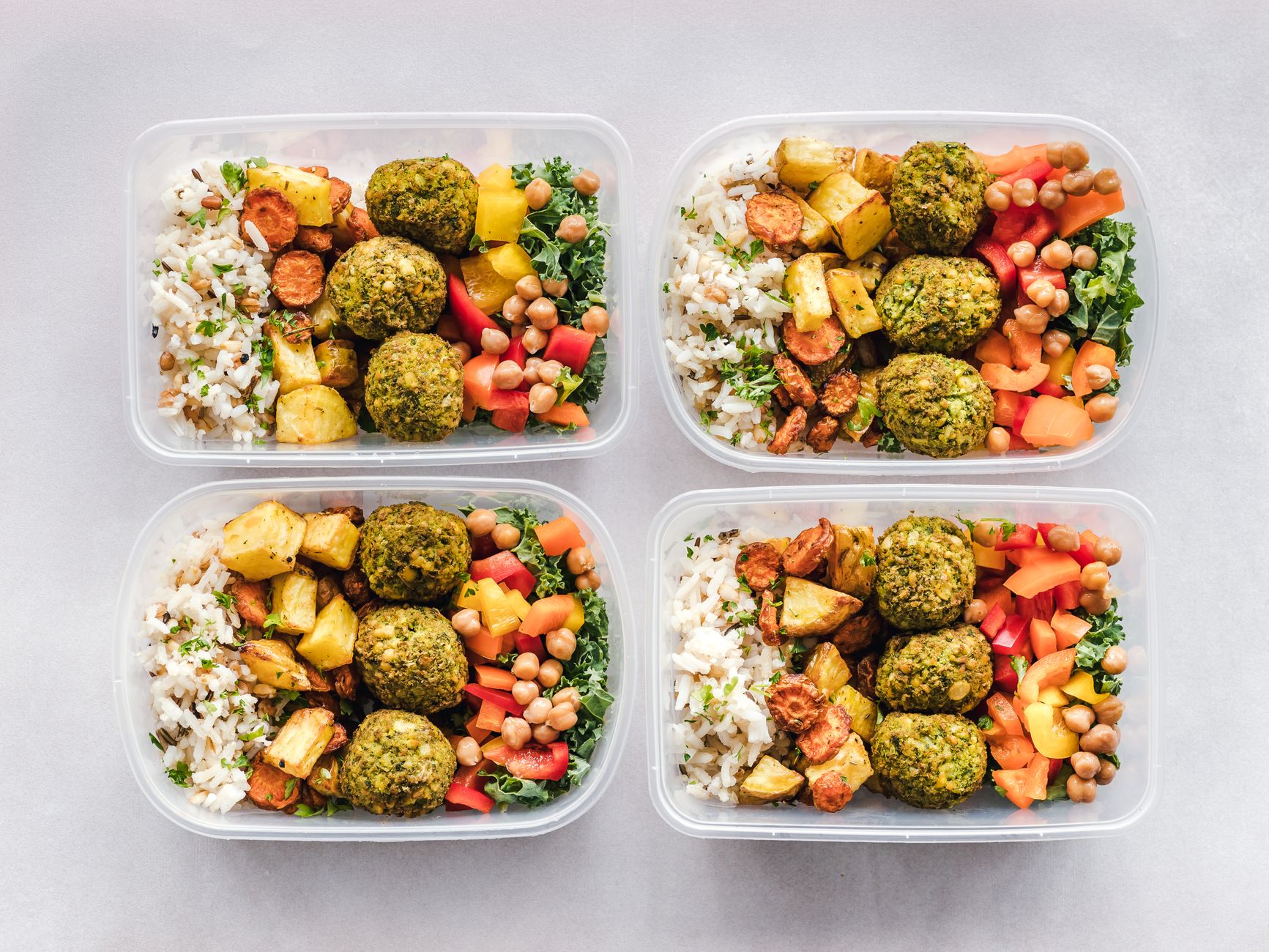
Batch cooking protein sources, such as roasting multiple chicken breasts or poaching salmon, provides a versatile foundation for various meals throughout the week. These proteins can be incorporated into stir-fries, salads, or grain bowls, reducing the need for daily cooking. Furthermore, prioritizing fiber-rich vegetables ensures that the family remains satiated, which is a common challenge when transitioning away from traditional wheat-based carbohydrates.
Strategic Meal Planning and Batch Preparation
Consistency is the cornerstone of managing a gluten-free household. A structured meal plan prevents the common pitfall of relying on expensive, less nutritious pre-packaged convenience foods during hectic evenings. Developing a rotating menu allows for a more efficient grocery shopping experience, as the same staples can be purchased regularly.
- Designate one hour per week for ingredient preparation, such as washing and chopping vegetables.
- Utilize slow cookers or pressure cookers to create hands-off meals that are ready by the time the family returns home.
- Keep a pantry stocked with reliable gluten-free staples like canned beans, lentils, certified gluten-free oats, and various nut butters.
- Freeze individual portions of leftovers for nights when cooking is not feasible.
By implementing these habits, the mental load of deciding what to cook every day is significantly reduced, allowing for a more predictable and organized routine.
Navigating Cross-Contact in the Kitchen
For families managing celiac disease or severe gluten sensitivity, preventing cross-contact is as important as the ingredients themselves. This involves establishing clear boundaries within the kitchen space to ensure that gluten-containing items do not come into contact with safe food.
Dedicated storage areas for gluten-free products help prevent accidental usage. Using separate toasters, colanders, and wooden utensils is an effective measure, as these porous or hard-to-clean items often harbor gluten residues. Implementing a color-coded system for kitchen tools can assist younger family members in identifying which items are safe to use, fostering a safer environment through clear, visual cues.
Comparison of Common Gluten-Free Meal Strategies
| Strategy | Time Investment | Nutritional Density | Cost Effectiveness |
|---|---|---|---|
| Batch Cooking | High (Initial) | Very High | Excellent |
| One-Pot Meals | Low | High | Moderate |
| Pre-packaged GF Items | Very Low | Low | Poor |
| Ingredient Prep | Moderate | High | Good |
Quick and Nutritious Meal Concepts
Creating variety while adhering to a gluten-free diet often involves adapting traditional favorites. Tacos served in corn tortillas or lettuce wraps provide a quick, interactive meal that caters to different preferences. Rice-based dishes, such as fried rice with plenty of vegetables and egg, offer a fast alternative to wheat-based noodles.
Sheet pan dinners represent one of the most efficient gluten free meal ideas for busy families. By placing a protein and an assortment of vegetables on a single tray with olive oil and seasonings, the cooking process is streamlined and cleanup is minimal. Similarly, grain bowls featuring a base of quinoa or brown rice topped with pre-cooked proteins, fresh greens, and a simple vinaigrette provide a balanced meal that can be customized to individual tastes.
Addressing Common Challenges in Gluten-Free Living
Transitioning to a gluten-free lifestyle often brings questions regarding variety and social situations. Many families find that focusing on naturally gluten-free cuisines, such as certain Mediterranean, Mexican, or Asian-inspired dishes, provides a wealth of flavor without requiring specialized ingredients.
Education regarding ingredient labels is an ongoing process. Familiarity with terms that may indicate the presence of gluten, such as hydrolyzed wheat protein or malt flavoring, is essential for maintaining safety. Engaging family members in the process of reading labels and selecting ingredients can increase their understanding of the diet and make the transition a collective effort rather than an individual burden.
Frequently Asked Questions
How can I ensure my pantry stays stocked with gluten-free options?
Focus on buying in bulk for staples like rice, quinoa, and legumes. Keep a running list of essential items and replace them as they run low to avoid last-minute store visits.
Are there budget-friendly ways to eat gluten-free?
Yes, focusing on whole foods like seasonal produce and dried beans rather than specialized gluten-free breads or crackers significantly reduces costs.
How do I handle school lunches for children?
Bento-style boxes are excellent for gluten-free lunches. They allow for a variety of small, safe items like fruit slices, cheese sticks, gluten-free crackers, and turkey roll-ups.
What should I do if a product label is unclear?
When in doubt, avoid the product. Manufacturers frequently change formulations, so checking the label every time is a necessary precaution for those with medical needs.
Conclusion
Successfully implementing gluten free meal ideas for busy families relies on preparation, a focus on whole foods, and a disciplined approach to kitchen safety. By streamlining the cooking process through batch preparation and smart planning, families can enjoy nutritious, safe, and flavorful meals despite the challenges of a hectic schedule. The transition to this lifestyle is most effective when it is viewed as an opportunity to explore diverse, nutrient-dense ingredients that support long-term health. Through consistent application of these practices, the kitchen becomes a space of efficiency and reliability, ensuring that every meal is both supportive of dietary requirements and conducive to the needs of a busy household.
Featured Image Credit: Generated/Sourced via Unsplash.
Disclaimer: This article is AI-generated for informational and educational purposes. While we strive to provide high-quality context and authority, the content should not be used as professional advice. The author/website assumes no liability for external links or factual omissions.