

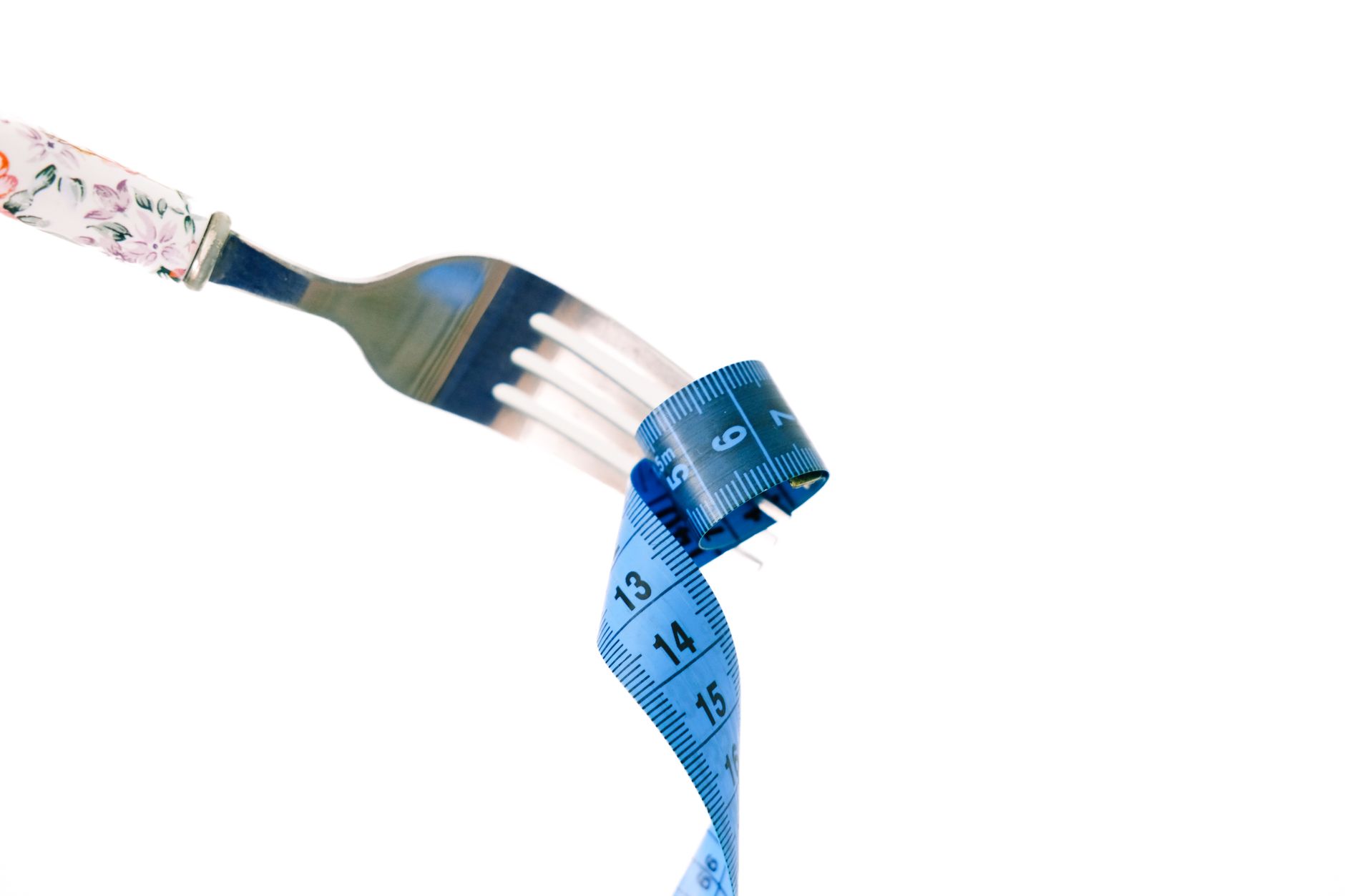
Achieving and maintaining a healthy weight often centers on the principle of energy balance, where the number of calories consumed is aligned with the body’s metabolic needs. Implementing low calorie meal ideas for weight management does not require restrictive dieting or the elimination of entire food groups. Instead, it involves prioritizing nutrient-dense ingredients that provide high volume and satiety while keeping total energy intake within a manageable range. By focusing on whole, unprocessed foods, individuals can create satisfying meals that support metabolic health and prevent the hunger spikes often associated with rapid weight loss programs.
The Foundation of Nutrient-Dense, Low-Calorie Eating
Effective weight management relies on the concept of caloric density. Foods that are high in water and fiber content, such as leafy greens, cruciferous vegetables, and most fruits, allow for larger portion sizes for fewer calories. When a plate is composed primarily of these items, the stomach reaches a state of fullness faster, signaling the brain that the energy requirement has been met. Protein is another critical component, as it possesses a higher thermic effect of food compared to fats and carbohydrates, meaning the body burns more energy during the digestion process.
Integrating lean protein sources—such as skinless poultry, white fish, tofu, legumes, and egg whites—into every meal helps preserve lean muscle mass. Muscle tissue is metabolically active, and maintaining it is essential for keeping the basal metabolic rate elevated. Furthermore, fiber-rich complex carbohydrates like quinoa, lentils, and oats provide a steady release of glucose into the bloodstream, preventing the blood sugar crashes that lead to cravings for high-calorie, processed snacks.
Strategic Meal Planning for Daily Success
Successful weight management often hinges on preparation. Planning meals in advance minimizes the likelihood of choosing calorie-dense convenience foods when time is limited. A practical approach involves the “plate method,” where one-half of the plate is reserved for non-starchy vegetables, one-quarter for lean protein, and one-quarter for complex carbohydrates. This visual guide ensures a balance of macronutrients without the need for obsessive calorie counting.
For breakfast, options like vegetable-packed omelets made with egg whites or overnight oats topped with berries provide sustained energy. Lunch might consist of a large salad featuring mixed greens, cucumbers, tomatoes, and grilled chicken breast, dressed with a light vinaigrette rather than heavy cream-based dressings. Dinner could focus on steamed or roasted white fish seasoned with fresh herbs and lemon, served alongside a generous portion of sautéed kale or roasted cauliflower. These combinations focus on maximizing flavor through spices and aromatics rather than fats, ensuring the meal remains low in calories while remaining enjoyable.
Comparison of Caloric Density in Common Food Groups
The following table illustrates how choosing lower-density options can significantly reduce total intake while maintaining volume.
| Food Category | High Caloric Density Option | Low Caloric Density Alternative |
|---|---|---|
| Grains | White Pasta (200 kcal/cup) | Zucchini Noodles (30 kcal/cup) |
| Proteins | Ground Beef (250 kcal/3oz) | Ground Turkey Breast (120 kcal/3oz) |
| Snacks | Potato Chips (160 kcal/oz) | Air-Popped Popcorn (30 kcal/cup) |
| Dairy | Full-Fat Cheddar (110 kcal/oz) | Non-Fat Greek Yogurt (60 kcal/oz) |
| Vegetables | Fried Sweet Potato Fries | Roasted Butternut Squash |
Incorporating Volume Eating for Satiety
Volume eating is a strategy that focuses on consuming large portions of low-calorie foods to manage hunger effectively. By increasing the volume of a meal through the addition of fibrous vegetables, the physical act of eating takes longer, and the stomach experiences greater stretch, which is a primary driver of satiety. For instance, adding two cups of chopped spinach to a serving of soup or integrating riced cauliflower into a rice dish significantly increases the portion size without adding substantial calories.
Soups and broths are particularly effective for weight management. Because they contain a high percentage of water, they occupy space in the stomach, leading to a reduction in total calorie intake during the subsequent course of a meal. Clear vegetable broths, miso soup with seaweed, or tomato-based vegetable soups are excellent low-calorie starters. By drinking a glass of water or consuming a broth-based soup before a main meal, individuals often report feeling satisfied with smaller portions of higher-calorie foods.
Essential Tips for Flavor Without Extra Calories
A common misconception regarding low calorie meal ideas for weight management is that healthy food must be bland. In reality, the strategic use of herbs, spices, and acids can transform simple ingredients into flavorful meals. Fresh herbs like cilantro, parsley, basil, and dill add significant flavor profile without adding calories. Spices such as cumin, paprika, turmeric, and chili powder provide depth and warmth, which can make a simple lentil stew or roasted vegetable dish taste complex and satisfying.
Acids play a crucial role in balancing flavors. A squeeze of fresh lemon or lime juice, or the use of balsamic or apple cider vinegar, can brighten a dish and reduce the need for added salt or fat. Similarly, roasting vegetables at high heat caramelizes their natural sugars, intensifying their flavor profile in a way that boiling or steaming cannot. By utilizing these culinary techniques, the adherence to a lower-calorie dietary pattern becomes much easier to maintain over the long term.
Frequently Asked Questions About Low Calorie Meal Ideas
How many calories should a low-calorie meal contain?
A typical low-calorie meal for weight management often ranges between 300 and 500 calories, depending on an individual’s daily energy expenditure and activity level.
Is it necessary to weigh every ingredient for weight management?
While weighing food can be useful for understanding portion sizes, it is not strictly necessary. Focusing on the composition of the plate—prioritizing vegetables and lean protein—is often sufficient for sustainable results.
How can I handle hunger between meals while staying within my calorie goals?
Choosing snacks that are high in protein and fiber, such as raw vegetables with hummus or a small piece of fruit with a few almonds, can help manage hunger without significantly impacting total daily calorie intake.
Can I still eat carbohydrates while managing my weight?
Yes, complex carbohydrates are an essential part of a balanced diet. The key is to choose fiber-rich sources like whole grains, legumes, and starchy vegetables, which provide energy and nutrients.
Does drinking water before meals help with weight management?
Yes, consuming water or low-calorie liquids before a meal can help increase feelings of fullness, potentially leading to a lower intake of overall calories during the meal.
Achieving Long-Term Success
Sustainable weight management is not about short-term fixes but about building a repertoire of healthy habits that can be maintained indefinitely. By focusing on low calorie meal ideas for weight management that emphasize whole, unprocessed foods, individuals can create a dietary pattern that is both nutritionally complete and satisfying. The goal is to shift the focus from restriction to the inclusion of high-volume, nutrient-dense foods that support overall health.
Consistency is the most important factor in any health-related endeavor. By practicing mindful eating, preparing meals in advance, and utilizing flavor-enhancing techniques that do not rely on excessive fats or sugars, anyone can develop a sustainable approach to weight management. As the body adjusts to a diet rich in fiber, protein, and water-dense vegetables, the reliance on processed, high-calorie foods typically decreases, leading to improved energy levels and long-term success in maintaining a healthy weight.
Featured Image Credit: Generated/Sourced via Unsplash.
Disclaimer: This article is AI-generated for informational and educational purposes. While we strive to provide high-quality context and authority, the content should not be used as professional advice. The author/website assumes no liability for external links or factual omissions.