

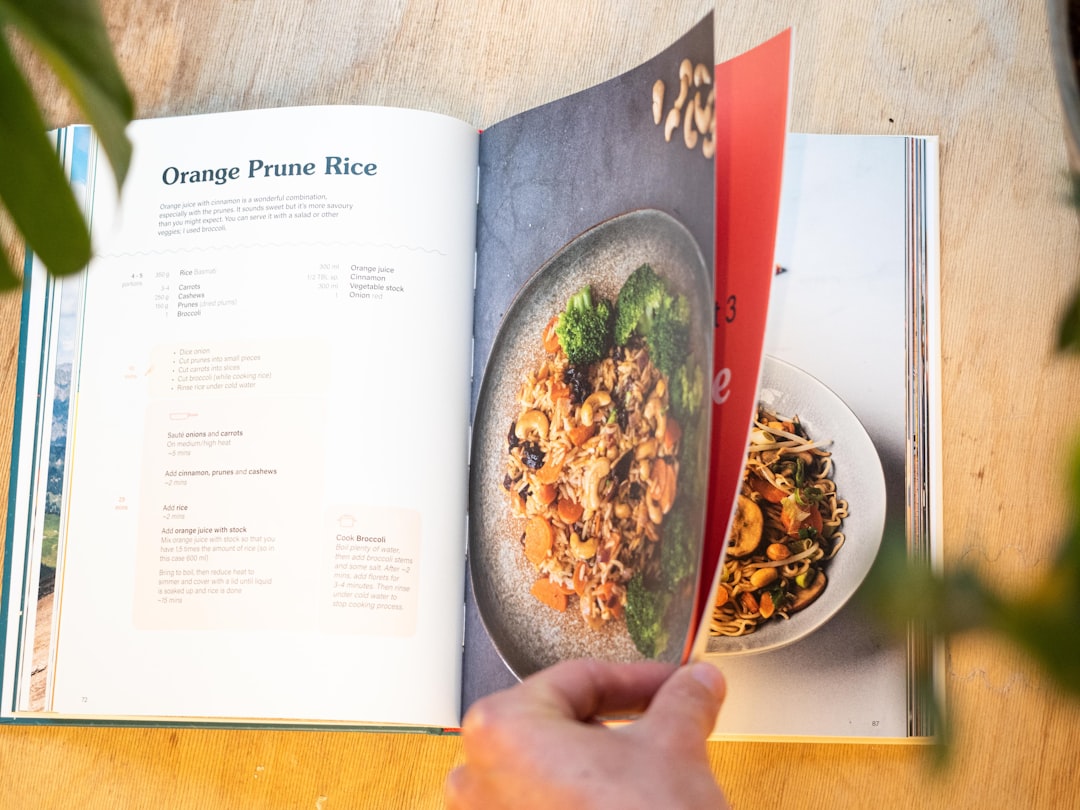
Transitioning to a ketogenic lifestyle often feels overwhelming due to the perceived complexity of calculating macronutrients and sourcing specialized ingredients. However, mastering easy keto recipes for beginners at home relies on simplifying the plate by prioritizing high-quality fats, moderate protein, and low-carbohydrate vegetables. The core philosophy centers on metabolic flexibility, where the body shifts from utilizing glucose to burning stored fat for fuel. By focusing on whole, unprocessed foods, individuals can maintain nutritional ketosis without the need for intricate culinary techniques or expensive supplements.
Understanding the Fundamentals of the Keto Diet
The ketogenic diet is defined by a significant reduction in carbohydrate intake, typically limiting net carbs to 20–50 grams per day. This restriction forces the liver to produce ketones, which serve as an alternative energy source for the brain and muscles. Achieving this state requires a consistent ratio of approximately 70–75% fat, 20% protein, and 5–10% carbohydrates. Beginners should focus on nutrient-dense staples like avocados, olive oil, eggs, fatty fish, and leafy greens. Understanding these ratios provides the foundation for building sustainable meal plans that prevent common pitfalls like the “keto flu,” which often occurs due to electrolyte imbalances during the initial adaptation phase.
Essential Kitchen Staples for Keto Success
Stocking a pantry with the right ingredients minimizes the friction of daily meal preparation. A well-equipped keto kitchen requires healthy cooking fats such as coconut oil, avocado oil, and grass-fed butter. Proteins like salmon, chicken thighs, ground beef, and pork chops provide the necessary amino acids for muscle maintenance. For flavor, rely on fresh herbs, spices, sea salt, and apple cider vinegar rather than processed sauces that often contain hidden sugars. Keeping shelf-stable items like almond flour, psyllium husk, and macadamia nuts ensures that quick, low-carb snacks or bread alternatives are always available, preventing the temptation to reach for high-carb convenience foods.
Quick and Easy Keto Recipes for Beginners at Home
The most effective approach to home cooking on keto involves minimal preparation time. Sheet-pan dinners serve as a perfect example of efficiency. A combination of chicken thighs, broccoli florets, and sliced bell peppers tossed in olive oil and dried oregano can be roasted at 400°F (200°C) for 25 minutes. Another staple is the “keto scramble,” which utilizes eggs as a base. Whisking three eggs with spinach, crumbled feta cheese, and diced mushrooms creates a balanced breakfast that takes less than ten minutes to prepare. These meals demonstrate that simplicity does not necessitate a sacrifice in flavor or nutritional density.
Comparison of Popular Keto-Friendly Ingredients
| Ingredient | Carbohydrate Content | Primary Benefit | Best Usage |
|---|---|---|---|
| Avocado | Low (High Fiber) | Healthy Monounsaturated Fats | Salads, Smoothies, Toppings |
| Cauliflower | Very Low | Versatile Vegetable Base | Rice Substitute, Mash |
| Salmon | Zero | Omega-3 Fatty Acids | Main Protein Source |
| Almond Flour | Moderate | Low-Carb Binding Agent | Baking, Breading |
| Spinach | Very Low | Essential Micronutrients | Sautés, Salads |
Managing Macronutrients and Portion Control
Tracking macros is a critical skill for beginners to ensure they remain within the necessary limits for ketosis. While many individuals begin by using digital tracking applications, the long-term goal is to develop an intuitive understanding of portion sizes. A standard keto plate should feature a palm-sized portion of protein, a significant serving of fibrous vegetables, and a generous drizzle of healthy fats. It is important to avoid “hidden” carbohydrates found in pre-packaged dressings, marinades, and low-fat dairy products. Reading labels for sugar alcohols and maltodextrin is essential, as these ingredients can spike insulin levels and disrupt the metabolic state.
Addressing Common Challenges with Keto Cooking
One of the most frequent challenges is the social aspect of dining and the desire for “comfort” foods. Beginners often attempt to recreate high-carb favorites like pizza or pasta using keto-friendly substitutes. While these recreations are helpful, relying too heavily on processed keto snacks can lead to caloric surplus and stalled progress. Instead, focus on whole-food variations. For example, using a crust made from ground chicken or cauliflower allows for a satisfying meal without the glucose spike associated with wheat-based doughs. Maintaining hydration and supplementing with electrolytes, particularly magnesium and potassium, remains vital for those starting their journey at home.
Frequently Asked Questions (FAQ)
How long does it take to enter ketosis?
Most individuals reach nutritional ketosis within three to seven days of strictly adhering to a daily limit of 20–50 grams of net carbohydrates.
Can I eat fruit on a keto diet?
Small portions of low-glycemic fruits like raspberries, blackberries, and strawberries are generally acceptable, while high-sugar fruits like bananas and apples should be avoided.
Is it necessary to count calories on keto?
While the primary focus is carbohydrate restriction, excessive caloric intake can prevent weight loss. Monitoring portion sizes is recommended for those with specific weight management goals.
What are the best fats for keto cooking?
Avocado oil, olive oil, coconut oil, and grass-fed butter are ideal due to their stability at various temperatures and their dense nutrient profiles.
How do I handle cravings for sugar?
Cravings often subside as the body adapts to fat-burning. Incorporating more healthy fats and ensuring adequate salt intake can help mitigate the urge for high-carbohydrate snacks.
Sustaining the Keto Lifestyle
Long-term adherence to easy keto recipes for beginners at home depends on variety and consistency. Rotating protein sources, experimenting with different vegetable preparations, and utilizing diverse spice blends prevent the monotony that often leads to diet abandonment. By focusing on the preparation of whole, unprocessed meals, individuals can reap the benefits of improved energy levels and metabolic health. The transition to a ketogenic lifestyle is a gradual process of learning and adaptation, where the emphasis remains on high-quality nutrition rather than restrictive calorie counting. With a well-stocked pantry and a repertoire of simple cooking techniques, maintaining this dietary pattern becomes a sustainable and rewarding part of daily life.
Featured Image Credit: Generated/Sourced via Unsplash.
Disclaimer: This article is AI-generated for informational and educational purposes. While we strive to provide high-quality context and authority, the content should not be used as professional advice. The author/website assumes no liability for external links or factual omissions.